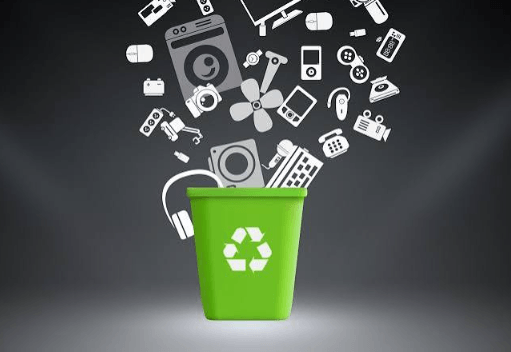
Electronic recycling has become more important than ever as households and businesses continue to upgrade their devices. From old smartphones and laptops to televisions, printers, and gaming consoles, electronic waste is growing rapidly. Proper recycling helps recover valuable materials, reduces environmental pollution, and keeps hazardous substances out of landfills.
If you are looking for a safe and convenient way to handle electronic recycling, using a trusted local recycling service can help you find certified facilities that accept your devices and dispose of them responsibly.
1. Prevent Harmful Waste From Reaching Landfills
Many electronic devices contain materials that can be harmful if disposed of improperly. Components such as batteries, circuit boards, and display screens may contain substances that should never end up in regular trash.
Recycling ensures these materials are handled safely while reducing environmental impact.
2. Recover Valuable Materials
Electronics are made using valuable resources that can often be recovered and reused.
Some commonly recycled materials include:
- Copper
- Aluminum
- Gold
- Silver
- Steel
- Plastic
- Glass
Recovering these materials reduces the need for new mining and helps conserve natural resources.
3. Protect Your Personal Information
Before recycling any electronic device, it is essential to erase your personal data.
Devices that should always be wiped include:
- Smartphones
- Tablets
- Laptops
- Desktop computers
- External hard drives
- USB drives
Performing a factory reset or securely erasing storage devices helps protect sensitive information from unauthorized access.
4. Know Which Electronics Can Be Recycled
Many people assume only computers can be recycled, but recycling programs often accept a much wider range of items.
Common electronics include:
- Computers
- Laptops
- Smartphones
- Tablets
- Monitors
- Printers
- Televisions
- Keyboards
- Routers
- Gaming consoles
- Audio equipment
- Small household electronics
Checking with your local recycling facility will confirm which items they currently accept.
5. Reduce Environmental Pollution
Improper disposal of electronics can release harmful materials into soil and water over time. Responsible electronic recycling prevents pollution and helps protect local ecosystems.
Every recycled device contributes to reducing electronic waste and promotes more sustainable resource management.
6. Support the Circular Economy
Electronic recycling allows manufacturers and recycling companies to recover usable materials that can be turned into new products.
Instead of extracting new raw materials, recovered metals and plastics can be processed and reused in future electronics and other manufactured goods.
This helps reduce production costs and lowers the environmental footprint of manufacturing.
7. Save Space at Home or in the Office
Old electronics often pile up in storage rooms, garages, or office closets.
Recycling unused devices helps:
- Free up storage space
- Remove outdated equipment
- Organize your workspace
- Eliminate unnecessary clutter
Regularly clearing out unused electronics also makes it easier to keep track of devices that are still in use.
8. Choose a Certified Recycling Facility
Not all recycling centers process electronics in the same way. A reputable recycler follows proper procedures for dismantling devices, recovering materials, and safely handling hazardous components.
Before dropping off your electronics, look for facilities that clearly explain their recycling process and the types of devices they accept.
9. Make Electronic Recycling a Regular Habit
Technology changes quickly, and most people replace devices every few years. Instead of storing outdated electronics indefinitely, create a routine for recycling them responsibly.
Keeping a designated box for old cables, chargers, phones, and small electronics can make it easier to recycle everything together when the time comes.
See also: The Ultimate Guide to Custom Wardrobes: Design, Materials, and Manufacturing Excellence
Benefits of Electronic Recycling
Choosing electronic recycling offers advantages for both individuals and the environment, including:
- Reducing electronic waste
- Conserving valuable natural resources
- Preventing harmful materials from entering landfills
- Supporting sustainable manufacturing
- Recovering reusable metals and plastics
- Promoting cleaner communities
- Encouraging responsible disposal practices
Whether you are replacing a single smartphone or clearing out an entire office of outdated equipment, electronic recycling is the responsible way to dispose of old devices. By using certified recycling services and properly preparing your electronics before drop-off, you help protect the environment while giving valuable materials a second life.