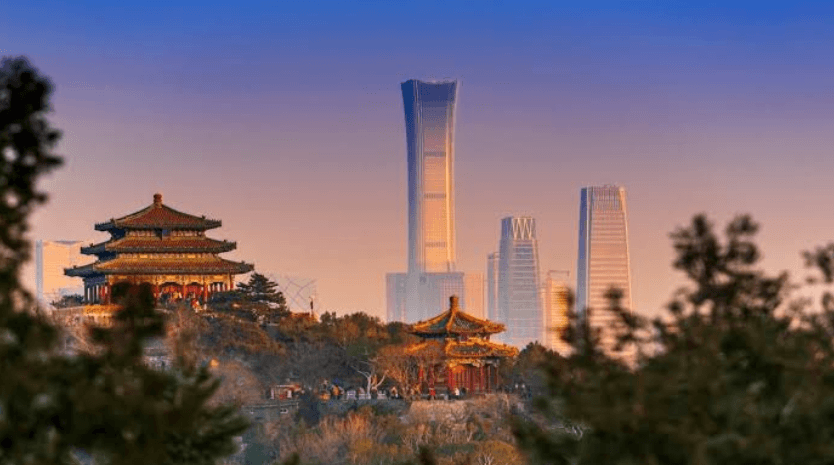
Beijing, the capital city of China, is a must-visit destination for tourists looking to explore a rich tapestry of culture, history, and modernity. As the political and cultural center of China for centuries, Beijing is home to stunning landmarks such as the iconic Great Wall, the majestic Forbidden City, and the Temple of Heaven. Visitors can also immerse themselves in the city’s vibrant street life, filled with bustling markets, traditional tea houses, and delectable street food stalls. Beijing’s modern skyline, juxtaposed with ancient temples and palaces, offers a unique blend of old-world charm and contemporary allure.
For those planning a trip to Beijing, it’s worth noting that Cathay Pacific provides a flight service from Kuala Lumpur To Beijing . Whether traveling for business or leisure, passengers can enjoy the airline’s renowned hospitality and comfort during their journey. With convenient schedules and excellent customer service, Cathay Pacific ensures a seamless and enjoyable travel experience for all passengers flying from Kuala Lumpur To Beijing .
Beihai Park
Beihai Park is a stunning oasis nestled in the heart of bustling Beijing, China. The park’s breathtaking scenery includes a tranquil lake, lush gardens, and ancient architecture, making it a must-visit destination for nature lovers and history buffs alike. Visitors can take a leisurely boat ride on the lake, explore the various pavilions and temples scattered throughout the park, or simply relax and take in the serene surroundings.
One of the park’s most iconic features is the White Dagoba, a majestic Tibetan-style stupa that offers panoramic views of the entire park and the surrounding city. The dagoba is a popular spot for visitors to take photos and soak in the peaceful atmosphere. The park’s landscaping is meticulously maintained, with colorful flowers, towering trees, and winding pathways leading guests on a picturesque journey through the grounds.
Beihai Park also holds a significant place in Chinese history, as it was once a playground for emperors during the Ming and Qing dynasties. The park’s architecture and design reflect the grandeur and elegance of these imperial eras, with intricately carved stone bridges, ornate pavilions, and traditional Chinese gardens adding to the park’s timeless charm. Visitors can immerse themselves in the rich history of Beihai Park by exploring the various historical sites and learning about the cultural significance of this treasured landmark.
Whether you’re looking to escape the hustle and bustle of city life or simply seeking a peaceful retreat, Beihai Park offers a serene and enchanting escape for visitors of all ages. With its stunning natural beauty, rich history, and tranquil atmosphere, Beihai Park is a must-see destination for anyone visiting Beijing. So come and immerse yourself in the beauty and history of Beihai Park, and experience the magic of this enchanting oasis in the heart of the city.
Temple of Heaven
The Temple of Heaven in Beijing, China is a glorious example of ancient Chinese architecture and religious symbolism. The temple was built in the 15th century during the Ming Dynasty and is considered one of the most important religious buildings in China. It is a UNESCO World Heritage Site and attracts millions of visitors each year.
The Temple of Heaven is a masterpiece of Chinese design, with its stunning architecture and intricate details. The main structures in the temple complex include the Hall of Prayer for Good Harvests, the Imperial Vault of Heaven, and the Circular Mound Altar. Each of these buildings serves a specific purpose in the religious rituals that were performed at the temple.
The Hall of Prayer for Good Harvests is the most iconic building in the Temple of Heaven complex. It is a circular structure with three layers of blue-tiled eaves, symbolizing heaven. The building is surrounded by a large round terrace that represents the square earth. The architecture of the hall is a perfect example of the harmony between heaven and earth, a fundamental belief in Chinese philosophy.
The Temple of Heaven is not just a beautiful architectural wonder, but also a place of spiritual significance for the Chinese people. It was here that the emperor would come to perform rituals to ensure good harvests and prosperity for the country. The temple complex is a place of worship, reflection, and reverence for the ancient traditions of China. Visiting the Temple of Heaven is a journey back in time to a period of great cultural and spiritual importance in Chinese history.
Forbidden City
The Forbidden City, located in Beijing, China, is a grand and opulent imperial palace that served as the seat of power for Chinese emperors for nearly 500 years. It is one of the most iconic and well-preserved architectural wonders in the world, attracting millions of visitors each year. The Forbidden City gets its name from the fact that commoners were forbidden from entering the palace grounds without permission from the emperor, making it a symbol of imperial power and exclusivity.
The construction of the Forbidden City began in 1406 during the Ming Dynasty and was completed in 1420. The palace complex covers an area of 180 acres and is enclosed by a 26-foot high wall and a moat. It consists of nearly 1,000 buildings, with over 8,000 rooms that are beautifully decorated with intricate carvings, colorful paintings, and luxurious furnishings. The architecture of the Forbidden City is a perfect example of traditional Chinese design, characterized by its elaborate roofs, intricate wooden structures, and symmetrical layout.
Within the Forbidden City, visitors can explore numerous halls, courtyards, gardens, and ceremonial spaces that provide a glimpse into the life of the emperors and their court. Highlights of the palace complex include the Hall of Supreme Harmony, the Hall of Central Harmony, and the Hall of Preserving Harmony, which were used for important state ceremonies and official receptions. The Forbidden City also houses the Palace Museum, which displays a vast collection of imperial treasures, artifacts, and artworks that offer insights into China’s rich history and culture.
Today, the Forbidden City is a UNESCO World Heritage Site and a must-visit destination for travelers interested in Chinese history and architecture. It stands as a testament to the grandeur and sophistication of China’s imperial past, showcasing the wealth, power, and artistry of the emperors who once resided within its walls. With its stunning beauty, historical significance, and cultural importance, the Forbidden City continues to captivate visitors from around the world and remains a symbol of China’s majestic heritage.