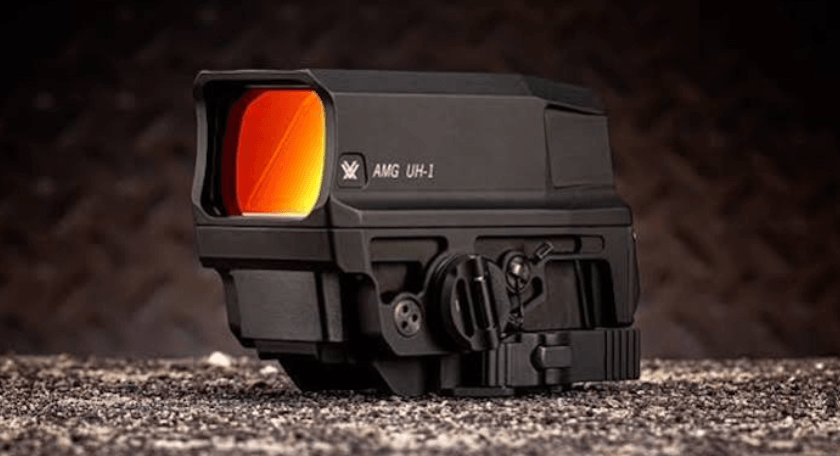
A persistent misconception in the shooting sports industry holds that red dot sights made in China are automatically inferior to those produced elsewhere. This assumption oversimplifies a manufacturing landscape that, in reality, spans an enormous quality range, from exceptional precision manufacturing to genuinely substandard production.
Understanding the Manufacturing Spectrum
Not All Factories Are Created Equal
China hosts thousands of optics-related manufacturing facilities, ranging from advanced operations with sophisticated CNC machining and rigorous quality control to smaller operations with minimal quality oversight. Painting the entire manufacturing base with a single broad assumption overlooks this significant variation.
The Role of Buyer Specifications
Product quality often reflects the specifications and quality standards a buyer establishes with their manufacturing partner, rather than being solely determined by the country of origin. Buyers who prioritize cost above all else frequently receive products that reflect exactly that priority.
What Determines Genuine Quality in Manufacturing
Investment in Equipment and Testing Infrastructure
Manufacturers who invest in modern CNC machining equipment, precision lens coating technology, and comprehensive testing infrastructure produce measurably different results than those operating with minimal capital investment, regardless of geographic location.
Quality Control Culture Within the Factory
Beyond equipment, a factory’s internal culture around quality control, including inspection discipline and willingness to reject substandard components, significantly influences final product consistency across production runs.
Common Misconceptions Worth Addressing
Price Does Not Always Indicate Origin-Based Quality
Some of the most technically sophisticated optics manufacturing occurs within Chinese facilities that supply components and finished products to well-known global brands, demonstrating that origin alone does not determine final product quality.
Established International Brands Often Manufacture in China
Many recognizable optics brands sold globally are actually manufactured, at least in part, within Chinese facilities, though this fact is not always prominently disclosed to end consumers, further illustrating that manufacturing location alone tells an incomplete story.
How Buyers Can Verify Genuine Quality
Requesting Detailed Testing Documentation
Rather than relying on assumptions based on manufacturing location, buyers benefit from directly requesting testing protocols, quality control documentation, and sample products to verify actual performance characteristics.
Conducting Factory Audits or Third-Party Inspections
In-person or third-party factory audits provide objective verification of a manufacturer’s actual capabilities, equipment, and quality control practices, offering far more reliable insight than assumptions based on geography alone.
Buyers interested in reviewing manufacturing capabilities and product quality standards can explore information through red dot sights made in china resources detailing production processes and testing protocols.
Building Confidence Through Direct Evaluation
Sample Testing Before Committing to Large Orders
Requesting and personally testing product samples allows buyers to verify performance claims directly, rather than relying solely on marketing materials or general assumptions about manufacturing origin.
Establishing Clear Quality Specifications Upfront
Buyers who clearly communicate their quality expectations and testing requirements to potential manufacturing partners are more likely to receive products that genuinely meet those standards, regardless of where production takes place.
The Broader Industry Context
Global Supply Chain Realities
The optics industry, like many manufacturing sectors, operates within a highly globalized supply chain where components and finished products often cross multiple countries before reaching final consumers, making simplistic origin-based quality assumptions increasingly outdated.
See also: How Far in Advance to Book Flights: 7 Proven Tips for the Best Deals
Focusing on Manufacturer Reputation Over Geography
Ultimately, a specific manufacturer’s track record, certifications, and demonstrated quality control practices provide far more reliable guidance than broad generalizations about manufacturing location.
Frequently Asked Questions
Are all red dot sights manufactured in China of similar quality? No, quality varies enormously between different manufacturing facilities, making it important to evaluate specific manufacturers rather than relying on country-of-origin assumptions.
How can buyers verify the quality of products before placing large orders? Requesting sample products, testing documentation, and conducting factory audits or third-party inspections provide much more reliable quality verification than assumptions alone.
Do well-known optics brands ever manufacture products in China? Yes, many established global brands manufacture some or all of their products in Chinese facilities, though this is not always widely publicized to consumers.
Conclusion
Assumptions about red dot sights made in China based purely on country of origin overlook the significant quality variation that exists across different manufacturing facilities. Buyers who evaluate specific manufacturers based on actual capabilities, testing standards, and track record make far more informed sourcing decisions.