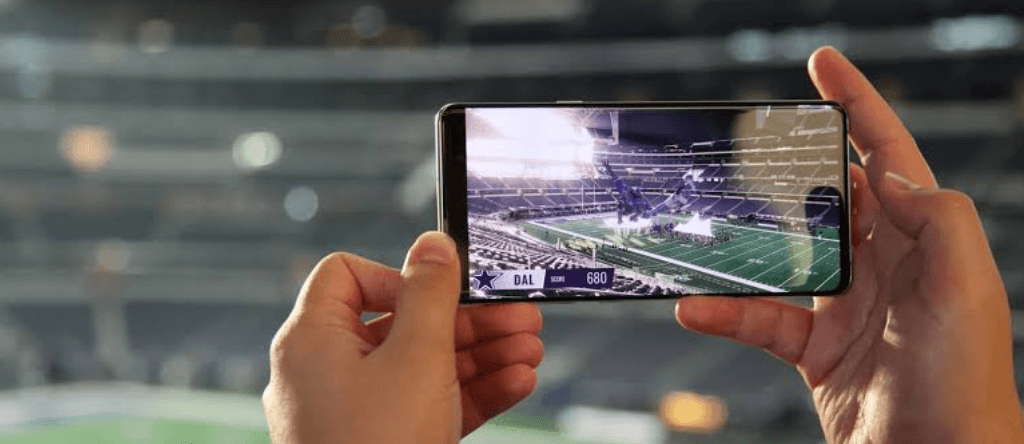
Live entertainment has become harder to separate from connection quality. A football match, tennis final, Formula 1 race, or basketball game can lose its impact when the stream freezes at the wrong second. Viewers expect a live screen to keep pace with the event, show clear movement, and react without delay.
The same expectation now reaches live dealer formats. People compare every real-time screen with the best sports streams they use on mobile devices. Those who want to compare how live casino environments handle video flow, timing, and interaction can read more through Slot Desi’s live casino section. The wider point is technical: 5G is changing how users judge live digital platforms, from match broadcasts to interactive table screens.
Live Delay Became Easier to Notice
Sports made delay visible. A late goal alert, a frozen frame before a penalty, or a replay that arrives after social media has already revealed the result can weaken the viewing experience. Fans notice these gaps because live sport depends on timing.
Live casino screens face a similar challenge. The user follows a dealer, a table, cards, wheels, prompts, and interface controls in real time. Any lag can make the screen feel less reliable. A delay of a few seconds may seem small in ordinary browsing, but it feels larger when the action is live.
5G matters because it can shorten the distance between what happens and what the user sees.
Faster Networks Improve Video Confidence
A live platform needs more than a sharp image. It needs movement that feels stable. Sports streams show this clearly during fast camera pans, crowd shots, slow-motion replays, and close-up action. If the stream drops quality too often, the viewer starts watching the connection instead of the event.
Live casino experiences depend on the same sense of confidence. Video clarity helps users follow the table. Stable motion helps them stay oriented. Fast response helps the interface feel connected to the live action.
A stronger mobile network can support:
- Smoother HD video during live sessions.
- Faster response between tap and screen action.
- Fewer visible drops during movement.
- Better mobile access away from Wi-Fi.
- More stable viewing during crowded network periods.
These improvements are practical. They reduce distraction and help the screen feel more dependable.
Sports Broadcasting Offers a Useful Model
Sports broadcasters have spent years learning how to guide attention. Camera angles show the right part of the field. Scoreboards give context. Replays slow down complex moments. Graphics explain what viewers need to understand quickly.
Live casino platforms can borrow this screen discipline. A live table should not feel like a random video feed with buttons around it. The camera angle, dealer area, table details, and controls need a clear relationship. Users should know where to look without searching.
Good live design keeps the main action visible while placing supporting information where it can be read quickly.
Mobile UX Still Has to Carry the Experience
5G can improve speed, but it cannot repair a confusing interface. A fast stream still feels weak if buttons overlap the video, menus hide basic actions, or text becomes too small on a phone.
Mobile UX needs careful spacing. Touch controls should be easy to reach without covering the live area. Video should remain readable in portrait and landscape views. Account controls, table information, and help options should stay accessible without interrupting the session.
The best mobile live screens feel direct. They let users watch, understand, and act without extra steps.
Trust Depends on Stability
Live platforms build trust through consistency. A sports fan trusts a stream when the scoreboard matches the action, replays appear at the right time, and alerts do not arrive too late. A live casino user needs a similar feeling of order.
Connection stability supports that trust, but visual clarity also matters. Users should understand what is happening on the screen and why an interface prompt appears. When timing, video, and controls stay aligned, the platform feels more transparent.
The Next Standard for Live Screens
5G will push live entertainment toward faster, more interactive, and more mobile-friendly experiences. Sports streams may become sharper and more responsive. Live casino screens may feel smoother, easier to follow, and more consistent across devices.
The future will not be shaped by speed alone. Strong live platforms will combine faster networks with cleaner interfaces, clear camera logic, readable prompts, and user control. Real-time entertainment works best when the technology stays in the background and the live moment remains easy to follow.